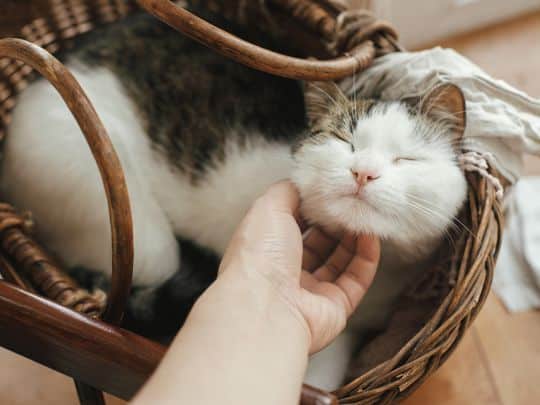
You glance at your cat and notice a pale film sliding across the corner of one eye. That film is the third eyelid, and its appearance usually means something is irritating the eye or affecting your cat’s overall health. A visible cat’s third eyelid is not always serious, but it should never be ignored for long. Many owners assume their cat is just tired or has a speck of dust in the eye. Sometimes that is true. Other times, the change signals pain, illness, or an injury that needs a proper exam.
This guide explains what the third eyelid does and why it appears. You will learn which signs point to a cat eye infection, what else can cause the change, and how veterinarians find the answer. You will also learn when waiting at home stops being safe for your cat.
What Does a Visible Cat’s Third Eyelid Mean?
A visible third eyelid means the thin membrane in the corner of your cat’s eye has slid across the eye. Briefly, it can be harmless, such as when your cat is drowsy. If it stays visible for more than a day, your cat needs a veterinary exam.
The third eyelid, also called the nictitating membrane, sits in the inner corner of each eye. Because it sits so low in the corner, it normally stays tucked out of sight. It works like a built-in windshield wiper. It spreads tears, sweeps away debris, and protects the surface of the eye. Most of the time, you never see it.
Cats sleep 12 to 16 hours a day, and a drowsy cat may show a little third eyelid. That brief change is normal. A membrane that stays up while your cat is wide awake is different. It can point to a cat eye infection, an injury, or illness elsewhere in the body.
Symptoms to Watch for With a Showing Third Eyelid
A showing third eyelid rarely appears alone. Vets look for these companion signs because they help point to the cause.
- Redness or swelling: Red or puffy tissue around the eye usually means inflammation.
- Squinting: Cats hold an eye partly closed when the surface of the eye hurts.
- Watery or sticky discharge: Clear, yellow, or green cat eye discharge often points to infection or irritation.
- Cloudy or bluish surface: A hazy eye can signal a corneal ulcer or a deeper eye problem.
- Pawing at the eye: Cats rub a sore eye, and the rubbing often makes the damage worse.
- Hiding or skipping meals: A cat that feels unwell all over may show eye changes as one symptom among many.
Many cats we see arrive with only one small sign, such as a slight squint. Owners often say it started a day or two earlier. Vets pay close attention to how long each sign has lasted, so note when you first spotted the change. Small changes in the eye can grow quickly, so early notice matters.
If you notice any of these signs, contact your veterinarian promptly.
Why the Third Eyelid Shows Up
One common myth is that a showing third eyelid simply means a sleepy cat. That explains only a brief change. The cause depends largely on whether one eye or both eyes are affected, and your vet uses that clue first.
When One Eye Is Affected
One eye usually points to a local problem. A scratch, a grass seed, or a scuffle with another cat can cause a cat eye injury. Corneal ulcers, glaucoma, and nerve problems such as Horner’s syndrome can also raise the membrane on one side. A membrane that appears on one side only deserves extra attention, since a local injury can worsen fast. In Virginia, we see more of these injuries in outdoor cats each spring because brush grows thick and neighborhood cats roam more.
When Both Eyes Are Affected
Both eyes usually point to a whole-body cause. Upper respiratory infections are common, and the majority of cats are exposed to feline herpesvirus at some point in life. Dehydration, weight loss, and intestinal parasites can also pull the membrane forward. Young cats sometimes show both third eyelids after a stomach upset, and it often settles as the gut recovers.
How Vets Diagnose and Treat the Problem
The team at Willow Animal Hospital starts with a close look at both eyes and your cat’s overall condition. That exam shows whether the problem is local or part of a wider illness. Pet owners in Warrenton often tell us they waited a few days, hoping the eye would clear up on its own.
What the Eye Exam Involves
Your vet checks the eyes, the eyelids, and your cat’s general health. A special dye test can reveal scratches on the surface of the eye. Tear and eye pressure tests may follow. Bloodwork is sometimes needed when a whole-body illness is suspected.
Common Treatment Steps
Treatment depends on the cause, but most plans follow a similar path:
- Your vet treats the root cause, whether that is an infection, an injury, or an illness elsewhere.
- Prescription eye drops or ointment are often used, and your vet will determine the correct dosage and schedule.
- A soft cone may stop your cat from rubbing or scratching the eye.
- A recheck visit confirms that the eye is healing and the third eyelid has returned to normal.
We frequently remind our clients that an eye that looks better is not always healed, so finish the full course your vet prescribes. Never use human eye drops on your cat without asking your vet first. Cats with painful eyes often need same-day care, and vet urgent care in Warrenton, can start the exam right away.
Signs Your Cat Needs Same-Day Attention
Go to a vet the same day if the eye is swollen, cloudy, or held shut. The same applies if your cat stops eating or the membrane covers most of the eye. A sudden change after a fight or a fall also needs prompt attention. Vision can be harmed quickly when an eye problem goes untreated. Take a quick photo of the eye before you leave home, because it helps your vet see how the change looked at its start.
Willow Animal Hospital provides pet urgent care for cats with sudden eye changes. If you need vet urgent care in Warrenton, VA, our team is ready to examine your cat. Call us at 703-754-8000 when your pet needs urgent care.
A showing cat’s third eyelid is your cat’s way of signaling that something is wrong. Sleepiness can explain a brief change, but a membrane that stays visible usually points to pain, infection, or illness. Watch for redness, squinting, discharge, or a cloudy eye, and act early.
A prompt exam can rule out a cat eye injury and start treatment before damage spreads. Do not wait several days and hope it passes. Your cat cannot tell you what hurts, so your careful attention and your vet’s expertise make the difference. Early care protects your cat’s comfort and eyesight. Book an appointment today.
Frequently Asked Questions
1. What is the third eyelid in cats?
Ans: The third eyelid is a thin membrane in the inner corner of the eye. It spreads tears and protects the surface of the eye, and it normally stays hidden.
2. Is a visible third eyelid in cats serious?
Ans: A brief appearance during sleepiness is usually normal. If it stays visible for more than a day or comes with redness, squinting, or a cloudy eye, your cat needs a veterinary exam.
3. Can I treat cat eye discharge at home?
Ans: You can gently wipe the eye with a clean, damp cloth. Home care should not replace a vet visit, and you should never use human eye drops without asking your vet.
4. How can I help prevent eye problems in cats?
Ans: Keep your cat away from fights and thick brush, and schedule regular wellness visits. Vaccination schedules vary, so your vet will recommend the right timing.
5. When should I take my cat to the vet for a third eyelid showing?
Ans: Go the same day if the eye is swollen, cloudy, held shut, or your cat stops eating. Otherwise, book a visit if the membrane stays up for more than a day.



Welcoming New Clients and Their Pets to Our Hospital!