
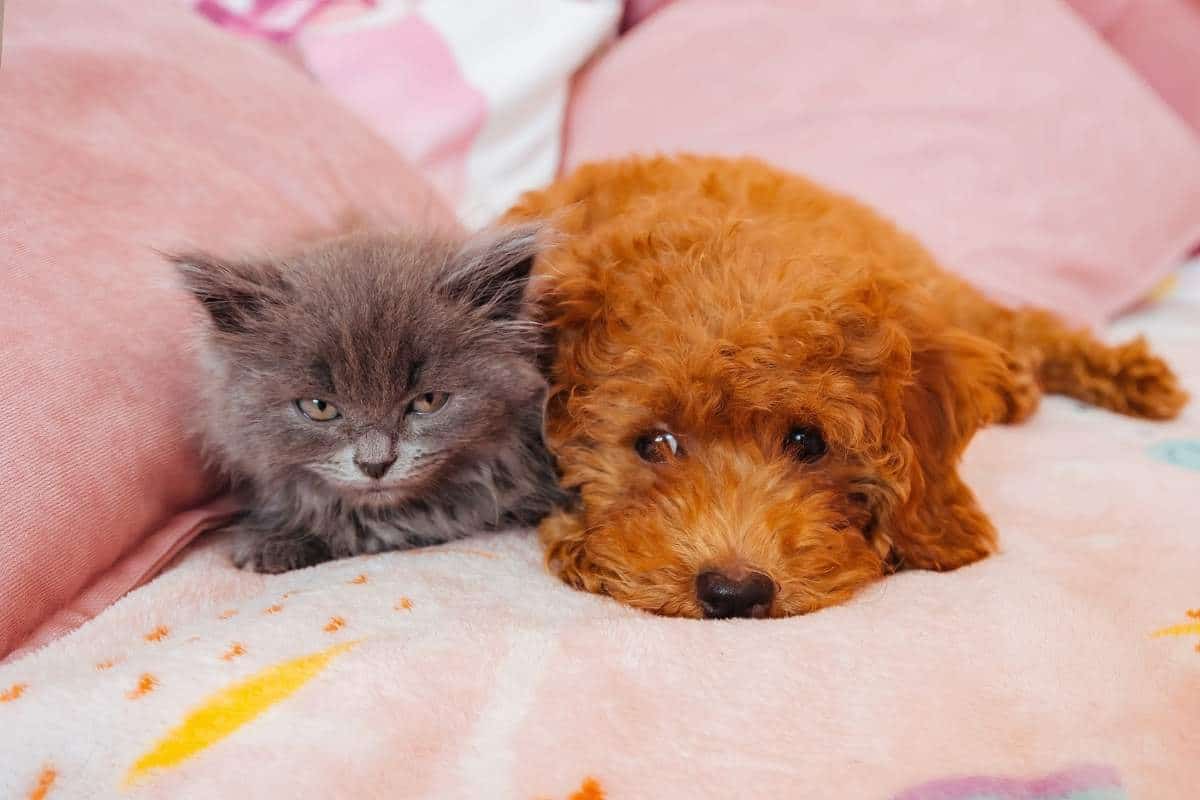
Pets are experts at hiding discomfort. In the wild, animals naturally mask signs of illness to avoid appearing vulnerable, and many of those instincts remain today. That means your dog or cat may seem perfectly healthy even when an underlying medical condition is developing. By the time obvious symptoms appear, the problem may have already progressed.
Routine wellness exams play a vital role in identifying health concerns before they become more serious. During these visits, veterinarians evaluate your pet’s overall condition, monitor changes over time, and look for subtle warning signs that are easy to miss at home. Early detection often leads to more treatment options, improved outcomes, and a better quality of life for your companion.
If your pet suddenly begins acting differently between wellness visits, seeking urgent pet care Warrenton can help ensure they receive timely medical attention.
Why Wellness Exams Are More Than a Routine Checkup
Many pet owners assume wellness exams are only necessary when their pet appears sick. In reality, these appointments are designed to evaluate your pet’s health from head to tail, even when everything seems normal.
A comprehensive wellness exam allows your veterinarian to:
- Monitor your pet’s weight and body condition
- Evaluate heart and lung function
- Examine the eyes, ears, nose, and mouth
- Check skin and coat health
- Feel for lumps, bumps, or swelling
- Assess joints and mobility
- Detect changes in muscle tone
- Monitor age-related changes
Because many diseases develop gradually, comparing today’s findings with previous visits helps identify small changes that could otherwise go unnoticed.
Hidden Health Problems Pets Often Don’t Show
Dogs and cats frequently continue eating, playing, and behaving normally despite developing health conditions. This makes regular veterinary evaluations incredibly valuable.
Some hidden health concerns include:
Dental Disease
Many pets experience oral disease without showing obvious signs of pain. A wellness exam may reveal:
- Inflamed gums
- Broken teeth
- Tartar buildup
- Oral infections
- Loose teeth
Addressing these issues early can help reduce discomfort and prevent additional complications.
Heart Disease
Early heart disease often produces no visible symptoms.
Your veterinarian may detect:
- Heart murmurs
- Irregular heart rhythms
- Abnormal heart sounds
Identifying these findings early allows for additional testing and monitoring before symptoms become more severe.
Kidney Disease
Kidney disease commonly develops slowly, especially in older pets.
Early detection may occur through:
- Physical examination
- Routine laboratory testing
- Monitoring subtle weight changes
Treatment is often more effective when kidney problems are identified early.
Arthritis
Many owners assume slowing down is simply part of aging.
Instead, wellness exams can uncover:
- Joint stiffness
- Reduced flexibility
- Muscle loss
- Pain during movement
Early management can improve comfort and mobility.
Skin Conditions
Chronic itching, allergies, infections, and skin masses often begin subtly.
Veterinarians can identify:
- Early infections
- Abnormal growths
- Parasites
- Allergic skin changes
Prompt treatment often prevents these conditions from worsening.
Early Detection Can Lead to Better Outcomes
One of the greatest advantages of wellness care is identifying problems before they become advanced.
Early diagnosis often means:
- Less discomfort for your pet
- More treatment options
- Better long-term management
- Lower risk of complications
- Improved quality of life
Many chronic diseases cannot be prevented entirely, but recognizing them early can make a significant difference in how they’re managed.
Small Changes That Should Never Be Ignored
Even with regular wellness visits, pet owners remain the first line of defense.
Schedule an evaluation if your pet develops:
- Reduced appetite
- Increased thirst
- Frequent urination
- Weight loss
- Vomiting
- Diarrhea
- Persistent coughing
- Difficulty walking
- Lethargy
- Behavioral changes
- Trouble breathing
- Sudden swelling
These symptoms don’t always indicate a serious illness, but they should never be ignored.
When symptoms appear suddenly or worsen quickly, seeking urgent vet care allows your veterinarian to evaluate the problem promptly.
What Happens During a Wellness Exam?
Each wellness visit provides a complete picture of your pet’s overall health.
Your veterinarian may perform:
Physical Examination
A thorough physical exam includes evaluating:
- Eyes
- Ears
- Nose
- Mouth
- Heart
- Lungs
- Abdomen
- Skin
- Coat
- Lymph nodes
- Joints
- Muscles
Even subtle abnormalities may indicate an underlying medical condition.
Weight Monitoring
Weight changes can signal:
- Metabolic disorders
- Digestive disease
- Chronic illness
- Nutritional concerns
Tracking your pet’s weight over time helps identify gradual trends.
Laboratory Screening
Depending on your pet’s age, lifestyle, and health history, your veterinarian may recommend routine diagnostic testing to detect internal health changes that cannot be seen during a physical examination alone.
Behavioral Discussion
Pet owners often notice changes that seem minor.
Your veterinarian may ask about:
- Energy levels
- Sleeping habits
- Appetite
- Drinking habits
- Bathroom routines
- Mobility
- Personality changes
These conversations frequently provide valuable clues.
Why Senior Pets Benefit Even More
As pets age, their risk of developing chronic medical conditions increases.
Older pets may experience:
- Arthritis
- Kidney disease
- Liver disease
- Heart disease
- Hormonal disorders
- Cognitive changes
Regular wellness exams help monitor these age-related changes and allow treatment plans to be adjusted as needed.
Because senior pets often hide discomfort, routine evaluations become even more important.
When Wellness Care Isn’t Enough
Although wellness exams are essential, illnesses and injuries don’t always happen on schedule.
Your pet should receive prompt veterinary attention if they experience:
- Collapse
- Trouble breathing
- Severe vomiting
- Continuous diarrhea
- Sudden weakness
- Difficulty standing
- Significant bleeding
- Pain that doesn’t improve
- Eye injuries
- Trouble urinating
- Seizures
These situations require timely medical evaluation rather than waiting for the next scheduled wellness visit.
If you’re searching for urgent pet care near you, contacting your veterinarian as soon as possible can help your pet receive appropriate care without unnecessary delays.
How Pet Owners Can Support Early Detection at Home
Routine veterinary visits work best when paired with careful observation at home.
Watch for changes in your pet’s:
- Eating habits
- Water intake
- Activity level
- Sleeping patterns
- Mobility
- Bathroom habits
- Weight
- Breathing
- Skin and coat
- Behavior
Keeping notes about changes can help your veterinarian identify patterns and make informed recommendations.
Building a Lifetime of Better Health
Wellness exams aren’t simply annual appointments, they’re one of the most valuable tools for protecting your pet throughout every stage of life. They provide opportunities to detect hidden illnesses before symptoms become obvious, monitor long-term health trends, and address concerns before they affect your pet’s comfort and well-being.
Combined with attentive care at home and prompt medical attention when new symptoms appear, routine wellness exams help pets enjoy healthier, happier lives for years to come.
If you notice changes in your pet’s health or behavior, don’t wait for the signs to worsen. Contact us or call 703-754-8000 to schedule an appointment. At the end of the day, the experienced team at Willow Animal Hospital is committed to providing compassionate care for pets in Warrenton and Vint Hill, whether they need routine wellness services or urgent pet care Warrenton when unexpected health concerns arise.
Frequently Asked Questions
1. How often should my pet have a wellness exam?
Ans: Most healthy adult pets benefit from a wellness exam at least once a year. Senior pets or those with ongoing medical conditions may need more frequent visits based on your veterinarian’s recommendations.
2. Can wellness exams detect illnesses before symptoms appear?
Ans: Yes. Wellness exams can identify subtle physical changes and underlying health concerns before your pet begins showing obvious signs of illness, allowing for earlier diagnosis and treatment.
3. What should I bring to my pet’s wellness appointment?
Ans: Bring any information about recent changes in appetite, behavior, activity level, medications, diet, or other health concerns you’ve noticed since your pet’s last visit.
4. When should I seek urgent veterinary care instead of waiting for a wellness exam?
Ans: If your pet experiences difficulty breathing, repeated vomiting, severe diarrhea, sudden weakness, collapse, trouble urinating, seizures, or significant injuries, seek urgent vet care as soon as possible.
5. Are wellness exams important for indoor pets?
Ans: Absolutely. Indoor pets can still develop dental disease, heart conditions, kidney disease, arthritis, skin disorders, and other health problems that may not be obvious without a veterinary examination.
6. Why are wellness exams important even if my pet seems healthy?
Ans: Many pets naturally hide signs of illness. Regular wellness exams allow veterinarians to identify small changes early, helping manage health conditions before they become more advanced or affect your pet’s quality of life.



Welcoming New Clients and Their Pets to Our Hospital!