
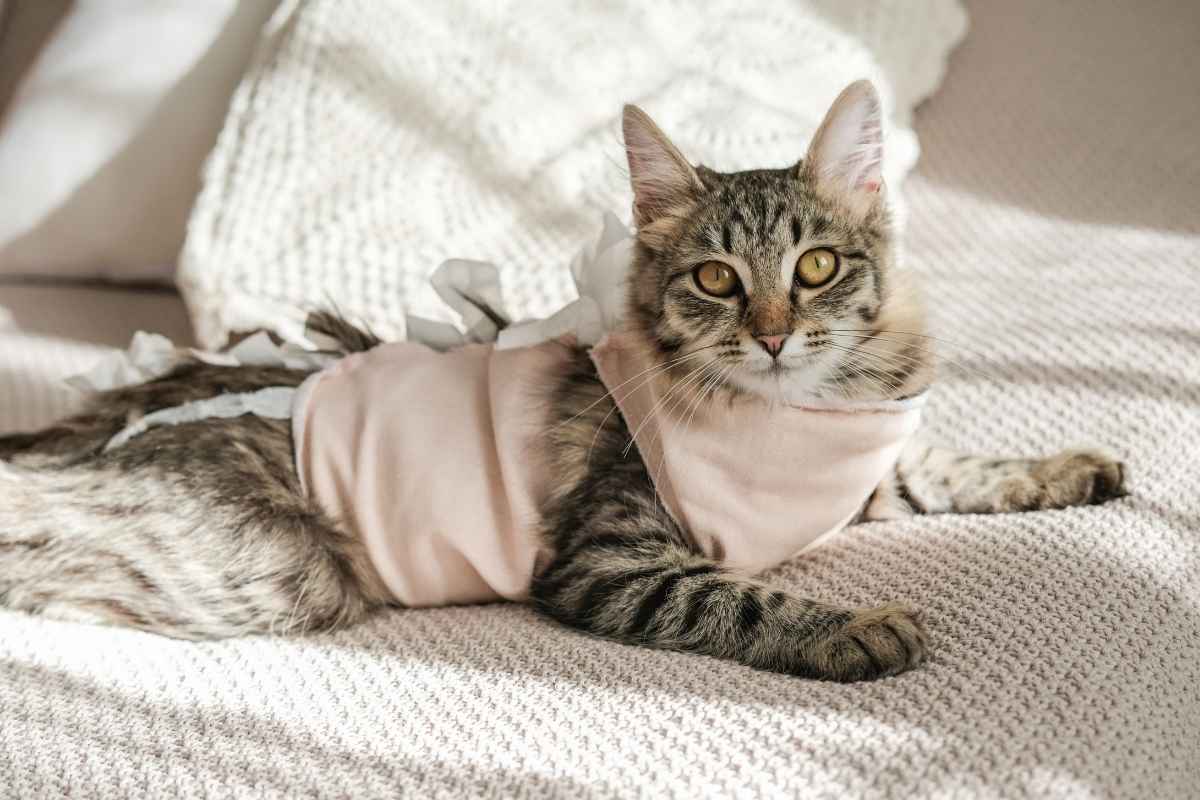
When your pet needs surgery, it’s natural to feel concerned about the procedure and recovery process. Whether your companion requires a routine operation or a more advanced medical procedure, proper preparation can help reduce stress and support a smoother experience. Understanding what to expect before, during, and after pet surgery allows pet owners to feel more confident while ensuring their pets receive the best possible care.
If your pet is scheduled for veterinary pet surgery, following a detailed preparation checklist can help improve comfort, safety, and recovery. This guide outlines the essential steps every pet owner should take before surgery and explains how working with a trusted veterinary hospital Warrenton residents rely on can make a positive difference in your pet’s health journey.
Understanding the Importance of Veterinary Pet Surgery
Veterinary surgery is often recommended to treat injuries, correct medical conditions, remove growths, improve mobility, or address other health concerns. Modern surgical techniques, advanced monitoring equipment, and comprehensive pre-surgical evaluations help make procedures safer and more effective than ever before.
Preparing your pet properly before surgery helps the veterinary team perform the procedure under optimal conditions while reducing the risk of complications. As a pet owner, your role in the preparation process is an important part of your pet’s overall care.
Step 1: Schedule a Pre-Surgical Examination
Before any veterinary pet surgery, your veterinarian will conduct a thorough physical examination. This assessment helps identify any underlying conditions that could affect anesthesia, surgery, or recovery.
During the pre-surgical visit, your veterinarian may:
- Review your pet’s medical history
- Evaluate heart and lung function
- Check body condition and overall health
- Discuss current medications and supplements
- Recommend diagnostic testing if necessary
This appointment is also the perfect time to ask questions about the procedure, recovery expectations, and post-operative care instructions.
Step 2: Follow All Feeding Instructions Carefully
One of the most important steps before pet surgery is following your veterinarian’s fasting instructions.
Food in the stomach during anesthesia can increase the risk of complications. Most pets are required to avoid food for a specific period before surgery, although exact recommendations may vary depending on age, health status, and the type of procedure being performed.
General guidelines often include:
- Removing food the evening before surgery
- Following specific instructions regarding water intake
- Avoiding treats or table scraps
Always follow the instructions provided by your veterinary team, as they are tailored to your pet’s unique needs.
Step 3: Review Medications and Supplements
Many pets take medications or supplements regularly. Before surgery, discuss every product your pet receives with your veterinarian.
Certain medications may need adjustment before anesthesia, while others should continue as prescribed. Never stop or change medication schedules without veterinary guidance.
Be prepared to provide information about:
- Prescription medications
- Over-the-counter products
- Herbal supplements
- Joint support products
- Nutritional supplements
A complete medication review helps your veterinarian develop the safest surgical plan possible.
Step 4: Prepare Your Pet Emotionally
Pets are often sensitive to changes in routine and can pick up on their owners’ emotions. Keeping a calm and positive attitude can help your pet feel more relaxed before surgery.
Helpful ways to reduce stress include:
- Maintaining normal routines before the procedure
- Providing a comfortable resting area
- Offering gentle affection and reassurance
- Avoiding unnecessary excitement or disruptions
A calm pet may experience a smoother transition on the day of surgery.
Step 5: Plan Transportation in Advance
Safe transportation is an essential part of preparing for veterinary pet surgery.
For dogs:
- Use a secure leash and collar
- Bring a favorite blanket if appropriate
- Allow enough travel time to avoid rushing
For cats:
- Use a sturdy carrier
- Place a familiar towel or blanket inside
- Keep the carrier stable during travel
Arriving on time allows the veterinary team to complete pre-surgical preparations without unnecessary stress.
Step 6: Prepare Your Home for Recovery
Recovery begins the moment your pet returns home. Creating a comfortable recovery environment beforehand can help make the transition easier.
Consider setting up:
- A quiet resting area
- Soft bedding
- Easy access to water
- Limited stair access if needed
- A safe space away from other pets
Preparing ahead of time helps ensure your pet can rest comfortably after surgery.
Step 7: Understand the Surgical Process
Knowing what happens during pet surgery can help ease concerns and improve communication with your veterinary team.
Most procedures involve:
Pre-Anesthetic Evaluation
Your pet is assessed before anesthesia to confirm readiness for surgery.
Anesthesia Administration
Anesthesia keeps your pet comfortable and pain-free throughout the procedure.
Continuous Monitoring
Vital signs such as heart rate, breathing, blood pressure, and oxygen levels are closely monitored.
Surgical Procedure
The veterinarian performs the planned procedure using established surgical protocols.
Recovery Monitoring
After surgery, your pet is observed closely as anesthesia wears off.
Understanding these steps helps pet owners feel more informed and prepared.
Step 8: Arrange Your Schedule for Post-Surgical Care
Many pets require additional attention during the first few days after surgery.
Before the procedure, plan your schedule to ensure someone can:
- Monitor your pet regularly
- Administer medications if prescribed
- Restrict activity when necessary
- Observe for any unusual changes
Having adequate time available for recovery care can contribute significantly to successful healing.
Step 9: Learn About Activity Restrictions
Depending on the procedure, activity limitations may be necessary for several days or weeks.
Common restrictions may include:
- No running or jumping
- Limited outdoor activity
- Controlled leash walks
- Restricted access to furniture
- Reduced interaction with energetic pets
Following these recommendations helps protect the surgical site and supports proper healing.
Step 10: Know What to Expect After Pet Surgery
Recovery experiences vary depending on the procedure, age, and overall health of the pet.
Some common post-surgical observations include:
- Mild sleepiness
- Temporary decrease in appetite
- Reduced activity
- Minor swelling near the surgical area
Most pets gradually return to normal routines as healing progresses.
However, contact your veterinarian promptly if you notice:
- Persistent vomiting
- Difficulty breathing
- Excessive swelling
- Bleeding from the surgical site
- Refusal to eat for an extended period
- Extreme lethargy
Early communication helps address concerns before they become more serious.
The Importance of Follow-Up Appointments
Follow-up visits allow your veterinarian to evaluate healing progress and determine whether additional care is needed.
These appointments may include:
- Incision evaluation
- Suture or staple removal if required
- Medication review
- Recovery progress assessment
- Activity recommendations
Attending all scheduled recheck visits helps ensure the best possible outcome following veterinary pet surgery.
Choosing a Trusted Veterinary Hospital in Warrenton
Selecting an experienced veterinary team is one of the most important decisions you can make when your pet requires surgery.
A reputable veterinary hospital Warrenton pet owners trust will provide:
- Comprehensive pre-surgical evaluations
- Advanced anesthesia monitoring
- Personalized treatment plans
- Detailed recovery instructions
- Ongoing support throughout healing
These factors contribute to a safer and more comfortable surgical experience for both pets and their owners.
Final Thoughts
Preparing for pet surgery involves more than simply arriving on the day of the procedure. Careful planning, following veterinary instructions, preparing your home, and understanding recovery expectations can help support a smoother surgical experience and better healing outcomes.
Whether your pet requires a routine procedure or a more advanced operation, being proactive before veterinary pet surgery can make a significant difference in their comfort and recovery. If your pet needs surgical care, be sure to schedule for an appointment with a trusted veterinary professional. The experienced team at Willow Animal Hospital is dedicated to providing compassionate surgical care and personalized support for pets and families throughout Warrenton.
Frequently Asked Questions
1. How should I prepare my pet the night before surgery?
Ans: Follow your veterinarian’s fasting instructions, provide a calm environment, and ensure your pet gets adequate rest before the procedure.
2. Can my pet drink water before surgery?
Ans: Water instructions vary depending on the procedure and your pet’s health status. Always follow the specific guidance provided by your veterinarian.
3. How long does recovery take after pet surgery?
Ans: Recovery time depends on the type of surgery performed. Some pets recover within a few days, while others may require several weeks of restricted activity and monitoring.
4. Why is fasting important before veterinary pet surgery?
Ans: Fasting helps reduce the risk of complications associated with anesthesia and contributes to a safer surgical experience.
5. What should I do if my pet licks the surgical site?
Ans: Contact your veterinarian for guidance. Preventing excessive licking is important because it can interfere with healing and increase the risk of infection.
6. When should I call my veterinarian after surgery?
Ans: Contact your veterinarian immediately if you notice excessive swelling, bleeding, difficulty breathing, persistent vomiting, severe lethargy, or other unusual symptoms.
Related Articles

Welcoming New Clients and Their Pets to Our Hospital!