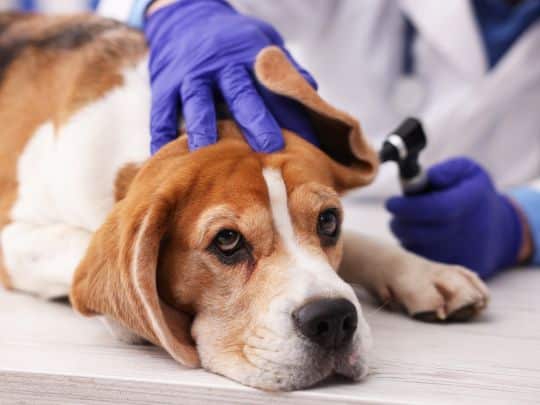
A pet shaking their head, scratching their ears, or showing discomfort can be worrying for any owner. Ear infections are common, but repeated infections often indicate a deeper concern. Many pets experience temporary relief after treatment, but symptoms may return without identifying the underlying cause. Allergies, bacteria, yeast, ear structure, and other health concerns can contribute to recurring ear problems.
Finding the reason behind repeated infections helps veterinarians create a more effective treatment plan. Proper evaluation allows your pet to receive care that focuses on long-term comfort and better health.
At Willow Animal Hospital, our veterinary team provides compassionate care with advanced diagnostic services to understand your pet’s health concerns. Our approach combines careful examinations with appropriate testing to identify problems and support accurate treatment decisions.
If you live in Warrenton or nearby communities, this guide can help you understand why ear infections happen repeatedly. Continue reading to learn how testing helps uncover the causes behind your pet’s ear issues.
What Causes Recurring Ear Infections in Pets?
Ear infections usually develop when something disrupts the normal environment inside the ear canal. Identifying the trigger is important because every pet may have different causes.
Some common reasons include:
- Bacterial or yeast overgrowth: Microorganisms can multiply when the ear environment changes.
- Allergies: Food or environmental allergies may cause inflammation and irritation.
- Moisture buildup: Water trapped after bathing or swimming can encourage infection.
- Ear anatomy: Pets with narrow or floppy ears may have increased risk.
- Foreign objects: Grass seeds or debris can irritate the ear canal.
- Underlying health conditions: Certain medical issues may affect immune response.
Treating only the visible infection may not prevent future problems. A complete evaluation helps determine what is causing repeated irritation.
Why Do Ear Infections Return After Treatment?
Many pet owners expect ear infections to disappear after medication. However, recurring infections often happen because the original cause remains untreated.
For example, a pet with allergies may continue experiencing inflammation even after an infection clears. Similarly, an incorrect medication choice may not fully address the specific bacteria or yeast involved.
Veterinarians often recommend further evaluation when:
- Ear infections happen frequently
- Symptoms return shortly after treatment
- Your pet shows severe discomfort
- Both ears are repeatedly affected
- Previous treatments have not worked
Understanding the source of the problem allows your veterinarian to provide more targeted care.
How Diagnostic Testing Helps Find the Cause of Ear Infections
A physical ear examination provides important information, but additional testing can reveal details that are not visible during a routine check.
Pet diagnostic care helps veterinarians collect valuable information about your pet’s condition. Testing can identify infection types, evaluate health concerns, and guide treatment decisions.
Depending on your pet’s symptoms, your veterinarian may recommend:
Ear Cytology
Ear cytology examines samples collected from the ear canal under a microscope. This test helps identify yeast, bacteria, and inflammatory cells.
Knowing the type of infection helps determine the most appropriate medication. It also reduces the chances of repeated unsuccessful treatments.
Ear Examination With Specialized Tools
Veterinarians use special equipment to look deeper into the ear canal. This helps identify swelling, debris, foreign materials, or changes near the eardrum.
A detailed examination is especially important for pets with chronic ear problems.
Laboratory Testing
Some pets may need additional laboratory testing to understand their overall health. Bloodwork and other evaluations can help identify contributing medical concerns.
At our veterinary practice, we offer diagnostic services that support accurate evaluations, including digital X-rays and in-house laboratory testing when needed.
What Happens During a Veterinary Ear Infection Evaluation?
A veterinary visit usually begins with a discussion about your pet’s symptoms and medical history.
Your veterinarian may ask about:
- How often infections occur
- Previous medications used
- Changes in behavior
- Scratching or head shaking
- Possible allergy symptoms
- Bathing and grooming habits
The ears are then examined carefully. Testing recommendations depend on the severity, history, and suspected cause.
This step-by-step process helps create a treatment approach based on your pet’s specific needs.
How Proper Diagnosis Improves Treatment Results
Every ear infection is different. A diagnosis helps determine whether your pet needs medication, cleaning recommendations, allergy management, or additional care.
Accurate testing can help:
- Identify the infection type
- Avoid unnecessary treatments
- Reduce repeated flare-ups
- Improve your pet’s comfort
- Support long-term ear health
A complete approach focuses on why the infection developed, not just the symptoms.
This is why pet diagnostic care plays an important role in managing recurring ear problems. It gives veterinarians the information needed to make informed decisions for your pet’s health.
Signs Your Pet May Need Veterinary Attention for Ear Problems
Some ear issues may seem minor at first, but delaying care can lead to worsening discomfort.
Contact your veterinarian if your pet shows:
- Frequent head shaking
- Constant ear scratching
- Redness inside the ears
- Unpleasant ear odor
- Ear discharge
- Sensitivity when touching the ears
- Balance changes
- Sudden behavior changes
Early evaluation can prevent discomfort and help protect your pet’s overall wellness.
How Pet Owners Can Help Prevent Future Ear Infections
While not every infection can be prevented, regular care can reduce some risks.
Helpful steps include:
- Keep ears clean based on veterinary recommendations
- Dry ears after swimming or bathing
- Schedule routine wellness visits
- Monitor allergy symptoms
- Avoid using human ear products
- Seek veterinary advice when symptoms appear
Regular monitoring allows changes to be noticed before they become serious concerns.
Helping Your Pet Enjoy Better Ear Health With Proper Care
Recurring ear infections can be frustrating for both pets and their families. Understanding the underlying cause is the first step toward improving comfort and preventing future problems. With careful examinations and advanced testing options, veterinarians can better understand your pet’s condition and recommend appropriate solutions.
At Willow Animal Hospital, our team provides compassionate veterinary care supported by diagnostic services designed to identify health concerns accurately. We focus on helping pets receive thoughtful treatment for their individual needs.
If you are searching for reliable veterinary care in Warrenton, contact us to book an appointment for your pet. Our caring team is ready to provide the evaluation and support your companion deserves.
Frequently Asked Questions
1. Why does my dog keep getting ear infections?
Ans: Recurring ear infections may happen because of allergies, bacteria, yeast, moisture, or underlying health conditions. Finding the cause helps create a more effective treatment plan.
2. Can allergies cause repeated ear infections in pets?
Ans: Yes. Allergies can trigger inflammation inside the ear canal. This creates an environment where infections may develop more easily.
3. How do veterinarians diagnose ear infections in pets?
Ans: Veterinarians use physical examinations, ear cytology, and other diagnostic methods to identify infection types and possible causes.
4. Are recurring ear infections painful for pets?
Ans: Yes. Ear infections can cause itching, inflammation, and discomfort. Some pets may also become sensitive around their ears.
5. Where can I take my pet for recurring ear infections in Warrenton?
Ans: If your pet keeps developing ear infections, Willow Animal Hospital can evaluate the underlying cause. Diagnostic testing can help identify bacteria, yeast, inflammation, or other contributing factors.
6. Does Willow Animal Hospital provide diagnostic testing for pet ear infections?
Ans: Yes. Willow Animal Hospital provides diagnostic services to help veterinarians evaluate different health concerns. For recurring ear infections, appropriate testing can help guide treatment based on your pet’s specific condition.
7. When should Warrenton, VA pet owners seek veterinary care for recurring ear infections?
Ans: Warrenton, VA pet owners should schedule an evaluation when ear infections repeatedly return or cause persistent discomfort. Willow Animal Hospital can examine your pet and recommend appropriate diagnostic testing when needed.


Welcoming New Clients and Their Pets to Our Hospital!