
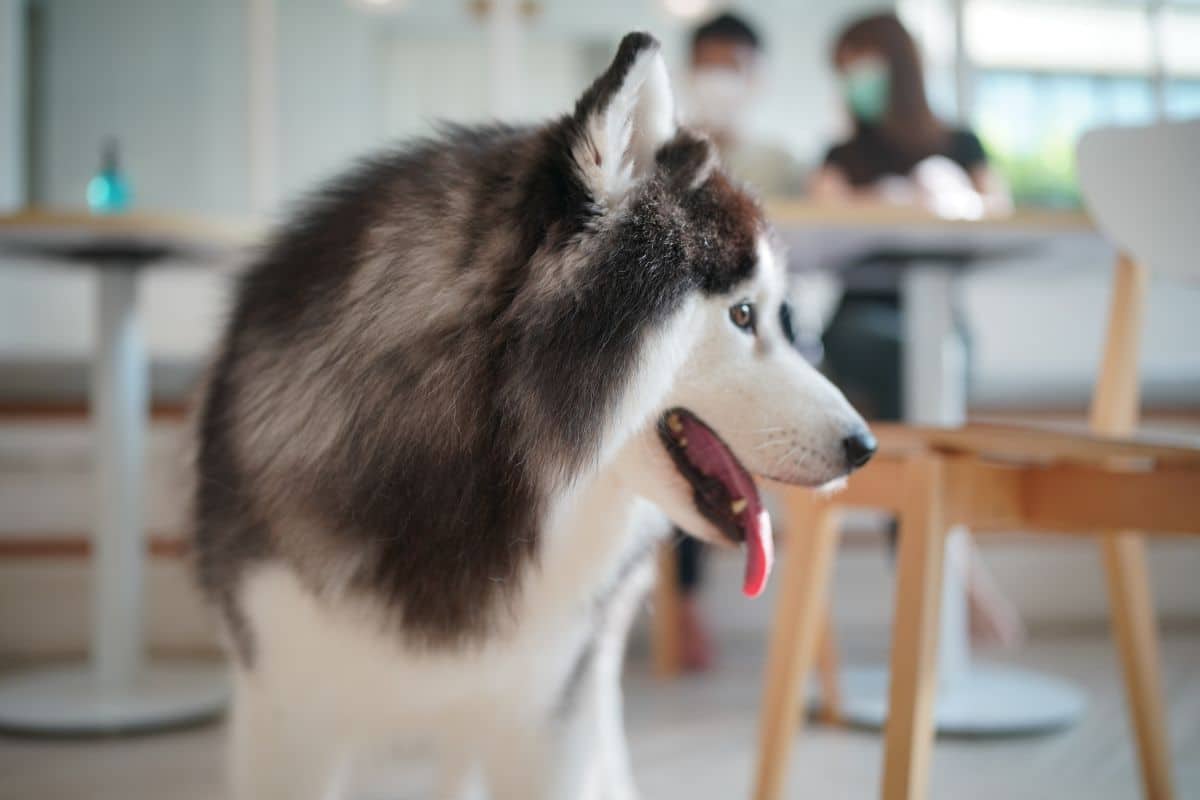
Have you ever felt your dog gently nibbling your hand, arm, or clothing? This behavior can be amusing, confusing, or even slightly irritating. Many dogs use their mouths to communicate, explore their surroundings, play, and interact with people they trust. Gentle nibbling is often harmless, but the reason behind it depends on your dog’s age, body language, environment, and overall behavior.
Understanding why your dog nibbles can help you respond appropriately and recognize when the habit may need professional attention. For new and experienced pet owners alike, paying attention to these patterns can support better communication and a stronger relationship with a canine companion.
Why Do Dogs Nibble on People?
Dogs do not use their mouths only for eating. Their mouths are important tools for exploring and communicating. A gentle nibble may have several different meanings, and context is essential when interpreting the behavior.
Some dogs nibble when they are relaxed and receiving affection. Others may nibble when they are excited, looking for attention, or ready to play. Puppies may mouth hands because they are exploring objects or experiencing discomfort during teething.
The key is to consider what happens before, during, and after the nibbling. A relaxed dog with a loose body and gentle mouth is communicating differently from a dog that becomes tense, fearful, or increasingly forceful.
Dog Nibbling as a Sign of Affection
One of the most common reasons dogs gently nibble is social bonding. Dogs naturally use grooming and gentle mouth movements during interactions with other dogs. A pet may carry this behavior into its relationship with humans.
What Affectionate Nibbling Looks Like
Affectionate nibbling is generally gentle and controlled. Your dog may make small movements with the front teeth while sitting beside you or receiving attention. The rest of the body usually appears relaxed.
You may notice this behavior when:
- Your dog is being petted.
- You are sitting quietly together.
- Your dog is relaxed after exercise.
- Your dog seeks physical closeness.
- Your dog is interacting with a familiar family member.
In these situations, the nibbling may simply be part of your dog’s social behavior. It does not necessarily indicate a problem that needs to be corrected.
Why Puppies Nibble More Often
Puppies naturally investigate their surroundings with their mouths. During early development, mouthing can help puppies understand textures, objects, and social boundaries.
Teething can also contribute to increased chewing and nibbling. As puppies lose their baby teeth and their adult teeth develop, chewing may provide temporary relief from uncomfortable gums.
Puppy Mouthing and Exploration
Young dogs may nibble fingers, sleeves, shoes, toys, or other household objects because they are curious. Their environment is full of new sights, smells, and textures.
Rather than treating every instance of puppy mouthing as bad behavior, owners can teach appropriate alternatives. Providing safe chew toys and redirecting your puppy toward them helps establish useful habits.
Consistent guidance is particularly important during puppyhood because dogs are learning how to interact safely with people.
Excitement and Play Can Trigger Nibbling
Some dogs become mouthier when they are excited. A greeting at the door, a game of fetch, or an energetic interaction can cause a dog to use its mouth more frequently.
Play-related mouthing is often accompanied by a loose posture, playful movements, and an eagerness to interact. Your dog may gently grab at your hand or clothing because it wants the interaction to continue.
How to Recognize Playful Mouthing
Look at your dog’s entire body instead of focusing only on the mouth. Playful dogs commonly appear relaxed and energetic. They may wag their tails, move around easily, or repeatedly invite you to engage.
If the pressure becomes uncomfortable, calmly redirect your dog toward a suitable toy. Avoid encouraging rough hand play if you do not want your dog to continue mouthing people as it grows.
Attention-Seeking Can Cause Dog Nibbling
Dogs quickly learn which behaviors get a reaction. If nibbling consistently results in petting, talking, laughter, or play, your dog may repeat it because it has discovered that nibbling gets your attention.
This does not necessarily mean your dog is being intentionally difficult. Dogs learn through repeated experiences.
If you want to reduce attention-seeking nibbling, respond consistently. Avoid turning the behavior into a game. Instead, redirect your dog toward an acceptable activity and reward calm interaction.
Teaching behaviors such as sitting quietly for attention can also give your dog a clearer way to communicate what it wants.
When Dog Nibbling May Signal Stress or Discomfort
Not every form of mouthing should be considered friendly. Changes in body language can indicate that your dog is uncomfortable, frightened, overstimulated, or experiencing another problem.
Pay close attention if nibbling occurs alongside:
- A stiff or frozen body.
- A hard or prolonged stare.
- Lip lifting or snarling.
- Repeated growling.
- Attempts to move away.
- Flattened ears or an unusually tense posture.
- Increasingly forceful biting.
- Sudden changes from normal behavior.
A dog that feels threatened may use warning signals before escalating its behavior. These signals should be respected rather than punished.
If your dog suddenly develops unusual mouthing behavior, especially when handling a particular area of the body, discomfort or pain may also need to be considered. A veterinary evaluation can help determine whether an underlying health concern could be contributing to the change.
How to Redirect Unwanted Nibbling
If your dog’s nibbling is harmless but inconvenient, gentle redirection can help. The goal is to teach your dog what to do instead of simply telling it what not to do.
Offer an Appropriate Alternative
Keep a suitable chew toy nearby during situations when nibbling commonly occurs. When your dog puts its mouth on your hand or clothing, calmly offer the toy instead.
When your dog accepts the alternative, provide praise or another appropriate reward. With repetition, your dog can learn that toys are appropriate for chewing while human skin and clothing are not.
Avoid Encouraging Rough Hand Play
Games that involve deliberately wrestling with your hands can make it difficult for a dog to understand when mouthing is acceptable. If you prefer your dog not to nibble people, use toys during energetic play.
Consistency among household members is also important. Everyone should follow the same rules so your dog receives clear signals.
How Pet Preventative Care in Warrenton Can Support Your Dog
Understanding behavior is only one part of responsible pet ownership. Regular health monitoring can help owners notice changes that might otherwise be overlooked.
Routine pet preventative care in Warrenton can include wellness evaluations and discussions about nutrition, behavior, dental health, weight, activity levels, and other aspects of your dog’s well-being. Preventive visits give pet owners an opportunity to discuss behaviors that may seem minor but have recently changed.
For example, if a normally calm dog suddenly becomes unusually mouthy when touched, it is worth discussing the change with a veterinarian. A professional can assess your dog and determine whether further evaluation is appropriate.
Preventive care is also valuable for puppies and adult dogs because health and behavior can change throughout life.
When Should You Talk to a Veterinarian?
Occasional gentle nibbling is usually not a reason for concern. However, professional guidance can be helpful when the behavior is persistent, sudden, painful, or accompanied by other changes.
Consider talking to a veterinarian if your dog:
- Suddenly starts nibbling or biting after previously avoiding the behavior.
- Becomes unusually sensitive when touched.
- Frequently bites or breaks the skin.
- Shows signs of fear or distress during interactions.
- Develops other unexplained behavioral changes.
- Continues mouthing despite consistent redirection.
- Appears uncomfortable, lethargic, or generally different from normal.
A veterinarian can evaluate your dog’s physical condition and discuss behavioral factors that may be contributing to the habit.
Finding Vets Near You for Ongoing Pet Care
Choosing a veterinary team you can rely on makes it easier to address questions about behavior and general wellness. When searching for vets near you, look for a practice that provides comprehensive care and takes time to understand your pet’s individual needs.
A familiar veterinary team can also help you recognize meaningful changes over time. Keeping track of when nibbling occurs, what triggers it, and how your dog responds can provide useful information during a veterinary visit.
Pet owners looking for veterinarians in Warrenton can consider a practice that offers preventive care, diagnostics, dentistry, surgery, rehabilitation, and other services under one roof. A comprehensive approach can make it easier to address both routine health needs and unexpected concerns.
Building Healthy Communication With Your Dog
Nibbling is one of many ways dogs interact with the people around them. Instead of automatically assuming that every nibble represents aggression or disobedience, consider the surrounding circumstances.
Is your dog relaxed? Is it asking to play? Is your puppy teething? Has something changed recently? Are there signs of discomfort?
Answering these questions can help you understand the behavior more accurately. Gentle redirection, appropriate toys, consistent boundaries, and positive reinforcement can encourage healthier interactions.
Most importantly, avoid punishing warning signs such as growling. These signals provide valuable information about how your dog is feeling. Understanding and respecting canine body language can help prevent misunderstandings and strengthen trust.
Final Thoughts on Dog Nibbling Habits
Dog nibbling can have several meanings, from affection and social bonding to play, attention-seeking, exploration, and puppy teething. The behavior itself is not always a sign of a problem. Your dog’s age, body language, environment, and recent behavioral changes all provide important context.
When nibbling becomes painful, unusually intense, or associated with signs of fear, stress, or discomfort, professional guidance is appropriate. Consistent redirection can also help dogs learn more appropriate ways to interact with people.
If you have concerns about your dog’s behavior or overall health, you can schedule for an appointment with Willow Animal Hospital. The veterinary team provides personalized care designed to support pets through different stages of life and offers preventive care, diagnostics, dentistry, surgery, rehabilitation, and other veterinary services.
Frequently Asked Questions
1. Why does my dog gently nibble on me?
Ans: Gentle nibbling can be related to affection, social grooming, play, excitement, attention-seeking, or exploration. Looking at your dog’s overall body language can help determine what the behavior means.
2. Is dog nibbling a sign of aggression?
Ans: Not necessarily. Relaxed, gentle nibbling is often different from aggressive behavior. However, stiff posture, hard staring, growling, snarling, or painful biting should be taken seriously.
3. Why does my puppy nibble on everything?
Ans: Puppies naturally explore with their mouths, and teething can increase their desire to chew. Offering appropriate chew toys and redirecting unwanted mouthing can help establish healthy habits.
4. How can I stop my dog from nibbling my hands?
Ans: Calmly redirect your dog toward an appropriate toy whenever nibbling begins. Avoid encouraging hand-based rough play, and consistently reward appropriate interactions.
5. When should I be concerned about my dog’s nibbling?
Ans: Talk with a veterinarian if the behavior suddenly changes, becomes painful, breaks the skin, occurs with signs of distress, or is accompanied by other unusual physical or behavioral changes.
6. Can regular veterinary visits help with behavior concerns?
Ans: Yes. Routine veterinary visits provide an opportunity to discuss behavioral changes alongside your dog’s overall health. A veterinarian can help determine whether a physical concern or behavioral factor may be contributing to the change.


Welcoming New Clients and Their Pets to Our Hospital!