
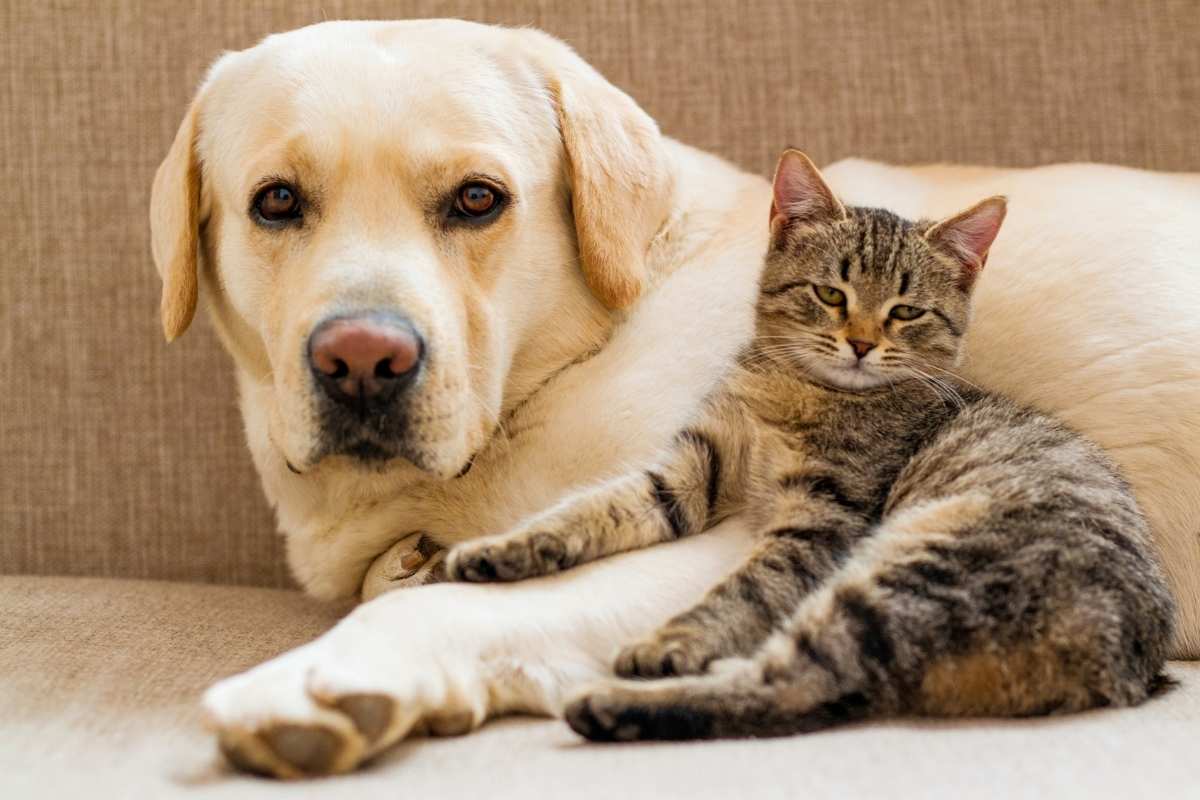
Bringing home a new puppy or kitten is an exciting experience filled with joy, curiosity, and responsibility. These early months are crucial for shaping your pet’s behavior, health, and overall well-being. Proper puppy care and kitten care involve more than providing food and shelter, they require consistent training, socialization, preventive healthcare, and a nurturing environment.
Whether you are a first-time pet owner or adding another furry companion to your family, understanding the basics of raising a young pet can help set the foundation for a happy and healthy life. This veterinarian’s guide explores essential tips for caring for and training puppies and kittens while helping pet owners in Warrenton make informed decisions about their pets’ long-term health.
Understanding the Importance of Early Puppy Care and Kitten Care
The first few months of a puppy’s or kitten’s life are a period of rapid growth and development. During this time, pets learn important social behaviors, develop habits, and adapt to their surroundings.
Proper puppy care and kitten care help:
- Encourage healthy physical development
- Build confidence and reduce anxiety
- Establish positive behavior patterns
- Strengthen the bond between pets and owners
- Support long-term wellness
Creating a structured routine from the beginning helps your new companion feel secure and comfortable in their new home.
Preparing Your Home for a New Puppy or Kitten
Before bringing your pet home, it is important to create a safe and welcoming environment.
Puppy-Proofing Your Home
Puppies are naturally curious and often explore with their mouths. Remove potential hazards such as:
- Electrical cords
- Toxic plants
- Small objects that can be swallowed
- Household chemicals
- Sharp items
Provide a comfortable sleeping area, food and water bowls, and appropriate chew toys.
Kitten-Proofing Your Home
Kittens enjoy climbing, jumping, and squeezing into small spaces. To protect your kitten:
- Secure loose cords and wires
- Block access to dangerous areas
- Remove toxic plants
- Provide scratching posts
- Create elevated resting areas
A safe environment helps reduce accidents and supports healthy exploration.
Building a Consistent Daily Routine
Consistency plays a major role in successful puppy care and kitten care.
Young pets thrive when they know what to expect each day. Establish routines for:
- Feeding
- Potty breaks
- Playtime
- Training sessions
- Grooming
- Sleep
A predictable schedule helps reduce stress and makes training more effective.
Nutrition Essentials for Growing Puppies and Kittens
Proper nutrition supports healthy growth, energy levels, and development.
Feeding Puppies
Puppies require balanced diets formulated specifically for their growth stage. Their nutritional needs differ significantly from those of adult dogs.
Key feeding tips include:
- Offer age-appropriate puppy food
- Feed multiple small meals daily
- Provide fresh water at all times
- Monitor weight and body condition
Feeding Kittens
Kittens need nutrient-rich diets to support rapid growth and development.
Helpful kitten feeding practices include:
- Choose high-quality kitten food
- Follow feeding recommendations based on age
- Ensure constant access to fresh water
- Monitor eating habits regularly
If you have questions about the best diet for your pet, consult a trusted vet in Warrenton for personalized guidance.
Early Socialization: Setting Your Pet Up for Success
Socialization is one of the most important aspects of raising a puppy or kitten.
Socializing Puppies
Introducing puppies to various people, sounds, environments, and experiences helps them develop confidence and adaptability.
Positive socialization experiences may include:
- Meeting friendly people
- Exposure to household noises
- Short car rides
- Controlled interactions with other pets
- Exploring different environments
Socializing Kittens
Kittens also benefit from gentle exposure to new experiences.
Encourage positive interactions by:
- Handling them regularly
- Introducing new sounds gradually
- Allowing supervised exploration
- Exposing them to different people
Proper socialization reduces fear-based behaviors and helps pets become well-adjusted adults.
Basic Puppy Training Tips
Training should begin as early as possible and focus on positive reinforcement.
House Training
House training is often one of the first challenges new puppy owners face.
Success depends on:
- Consistent potty schedules
- Frequent outdoor trips
- Positive rewards for desired behavior
- Patience and consistency
Avoid punishment, as it can create confusion and anxiety.
Teaching Basic Commands
Simple commands provide structure and improve communication.
Start with:
- Sit
- Stay
- Come
- Down
- Leave it
Keep training sessions short, positive, and engaging.
Leash Training
Leash training helps puppies learn proper walking behavior and improves safety during outdoor activities.
Introduce the leash gradually and reward calm behavior throughout the process.
Training Tips for Kittens
While kittens may not require the same training as puppies, they still benefit from guidance and structure.
Litter Box Training
Most kittens naturally use a litter box, but proper setup is important.
Tips include:
- Keep the litter box clean
- Place it in a quiet location
- Use an appropriate box size
- Avoid frequent changes in litter type
Encouraging Appropriate Scratching
Scratching is a natural feline behavior.
Protect household furniture by:
- Providing scratching posts
- Rewarding use of approved scratching surfaces
- Placing scratching posts near favorite resting spots
Teaching Gentle Play
Kittens learn valuable social skills through play.
Use toys instead of hands during playtime to discourage biting and scratching behaviors.
Exercise and Mental Stimulation for Young Pets
Physical activity and mental enrichment are essential components of puppy care and kitten care.
Exercise for Puppies
Appropriate exercise supports healthy growth and development.
Activities may include:
- Short walks
- Interactive games
- Basic training exercises
- Supervised outdoor play
Avoid excessive exercise that could place stress on developing joints.
Exercise for Kittens
Kittens are naturally energetic and curious.
Provide enrichment through:
- Interactive toys
- Puzzle feeders
- Climbing structures
- Play sessions with wand toys
Regular activity helps prevent boredom and encourages healthy behavior.
Grooming and Hygiene Essentials
Introducing grooming routines early helps pets become comfortable with regular care.
Puppy Grooming
Routine grooming may include:
- Brushing
- Nail trimming
- Ear cleaning
- Dental care
Positive experiences during grooming can reduce stress later in life.
Kitten Grooming
Although cats groom themselves, they still benefit from:
- Regular brushing
- Nail care
- Dental hygiene support
- Ear and skin checks
Early grooming habits make future care easier and more enjoyable.
Recognizing Signs of Illness in Puppies and Kittens
Young pets can experience health issues that require prompt veterinary attention.
Watch for signs such as:
- Loss of appetite
- Vomiting
- Diarrhea
- Lethargy
- Difficulty breathing
- Persistent coughing
- Changes in behavior
Early intervention can help address concerns before they become more serious.
Why Regular Veterinary Visits Matter
Routine veterinary care is an important part of responsible pet ownership.
Regular visits allow veterinarians to:
- Monitor growth and development
- Identify health concerns early
- Provide nutritional guidance
- Discuss behavioral questions
- Offer preventive healthcare recommendations
If you are searching for a veterinary near me, choosing a trusted veterinary team can help ensure your puppy or kitten receives the care they need throughout every stage of life.
Building a Strong Bond With Your New Pet
One of the most rewarding aspects of pet ownership is developing a lasting relationship with your companion.
Strengthen your bond by:
- Spending quality time together
- Using positive reinforcement
- Establishing trust through consistency
- Providing daily enrichment
- Responding to your pet’s needs
The effort invested during the early months often leads to a lifetime of companionship and mutual trust.
Supporting Your Puppy or Kitten for a Lifetime of Health
Raising a puppy or kitten requires dedication, patience, and consistency. Through proper training, nutrition, socialization, exercise, grooming, and routine veterinary care, pet owners can help their young companions thrive.
Whether you are focused on puppy care or kitten care, early attention to your pet’s physical and emotional needs lays the foundation for lifelong health and happiness. If your new pet needs professional guidance or preventive care, schedule for an appointment with the experienced team at Willow Animal Hospital. As a trusted vet Warrenton pet owners rely on, Willow Animal Hospital is committed to helping puppies and kittens get the healthiest possible start in life.
Frequently Asked Questions
1. When should I start training my puppy?
Ans: Training can begin as soon as your puppy arrives home. Early lessons focusing on basic commands, house training, and socialization can help establish positive behaviors.
2. How often should I feed my kitten?
Ans: Kittens generally require several small meals throughout the day to support their rapid growth. Your veterinarian can recommend a feeding schedule based on your kitten’s age and needs.
3. What are the most important aspects of puppy care?
Ans: Key aspects of puppy care include proper nutrition, training, socialization, exercise, grooming, and routine veterinary visits.
4. How can I stop my kitten from scratching furniture?
Ans: Provide scratching posts, reward appropriate scratching behavior, and place scratching surfaces near areas where your kitten spends time.
5. Why is socialization important for puppies and kittens?
Ans: Socialization helps young pets develop confidence, adapt to new experiences, and reduce fear-based behaviors later in life.
6. How do I know if my puppy or kitten should see a veterinarian?
Ans: If your pet shows symptoms such as loss of appetite, vomiting, diarrhea, lethargy, breathing difficulties, or sudden behavioral changes, contact your veterinarian promptly.
Related Articles

Welcoming New Clients and Their Pets to Our Hospital!