
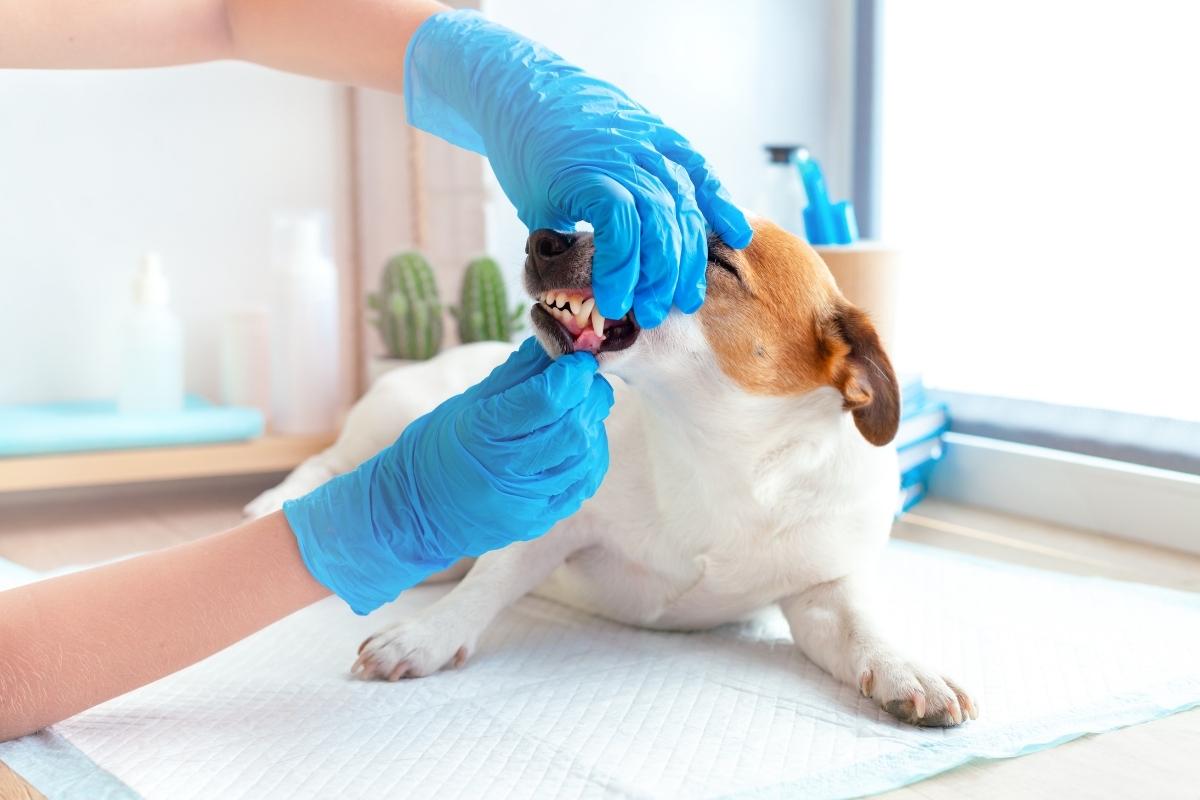
As pets grow older, their healthcare needs begin to change and dental health becomes more important than ever. Many pet owners focus on mobility, nutrition, and routine wellness exams for senior pets, but oral health is often overlooked. Unfortunately, untreated dental disease can lead to pain, tooth loss, infections, and even complications affecting the heart, liver, and kidneys.
At Willow Animal Hospital in Warrenton, we believe preventive dental care plays a major role in helping senior pets stay healthy, comfortable, and happy throughout their golden years. Understanding how to care for your aging pet’s teeth can improve their quality of life and help them enjoy more healthy years by your side.
Why Dental Care Matters More for Senior Pets
Dental disease is one of the most common health problems seen in older dogs and cats. By the age of three, many pets already show signs of periodontal disease, and the condition often worsens with age if left untreated.
As plaque and tartar accumulate on the teeth, bacteria can spread below the gumline and cause inflammation, infection, and tissue damage. Senior pets are especially vulnerable because aging immune systems may struggle to fight oral infections effectively.
Poor dental health can also impact overall wellness. Bacteria from untreated gum disease may enter the bloodstream and affect vital organs, increasing the risk of serious health complications.
Maintaining good oral hygiene helps senior pets:
- Eat more comfortably
- Reduce chronic pain
- Prevent tooth loss
- Improve breath odor
- Lower the risk of infection
- Support overall health and longevity
Common Signs of Dental Problems in Older Pets
Dental disease often develops gradually, and pets are experts at hiding discomfort. Recognizing early warning signs can help prevent more advanced oral health issues.
Watch for symptoms such as:
- Bad breath
- Yellow or brown tartar buildup
- Red or swollen gums
- Difficulty chewing food
- Dropping food while eating
- Excessive drooling
- Pawing at the mouth
- Loose or missing teeth
- Reduced appetite
- Facial swelling
- Bleeding from the mouth
Cats may show even subtler symptoms, including hiding more often, irritability, or decreased grooming habits.
If you notice any of these signs, it’s important to schedule a dental evaluation with your veterinarian.
Understanding Periodontal Disease
Periodontal disease is the progressive inflammation and infection of the tissues surrounding the teeth. It begins with plaque buildup and can eventually destroy the gums, ligaments, and bone supporting the teeth.
The stages of periodontal disease include:
Stage 1: Gingivitis
Gums become red and inflamed due to plaque accumulation. At this stage, the condition is still reversible with professional cleaning and improved home care.
Stage 2: Early Periodontal Disease
Plaque hardens into tartar, and bacteria begin damaging the tissues around the teeth. Mild bone loss may occur.
Stage 3: Moderate Periodontal Disease
Infection spreads deeper below the gumline, causing pain, gum recession, and more noticeable tooth damage.
Stage 4: Advanced Periodontal Disease
Severe infection leads to loose teeth, significant bone loss, chronic pain, and potential systemic health complications.
Routine dental exams can help identify periodontal disease before it becomes severe.
Best Dental Care Tips for Senior Dogs and Cats
1. Brush Your Pet’s Teeth Regularly
Daily brushing is one of the most effective ways to reduce plaque buildup and maintain healthy teeth. While brushing may seem difficult at first, many pets can gradually adapt with patience and positive reinforcement.
Use:
- A pet-specific toothbrush
- Veterinary-approved toothpaste
- Gentle circular motions along the gumline
Never use human toothpaste, as it may contain ingredients harmful to pets.
Even brushing several times per week can make a significant difference in oral health.
2. Choose Dental-Friendly Diets and Treats
Certain diets and treats are specially designed to support dental health by reducing plaque and tartar buildup.
Dental-friendly products may include:
- Veterinary dental diets
- Dental chews
- Dental treats approved by veterinary professionals
- Water additives for oral hygiene
For senior pets with missing teeth or oral pain, softer food options may help make eating more comfortable.
Always consult your veterinarian before introducing new treats or dental products, especially if your pet has underlying health conditions.
3. Schedule Routine Professional Dental Cleanings
Professional dental cleanings are essential for removing tartar and bacteria below the gumline where brushing cannot reach.
During a veterinary dental cleaning, your pet may receive:
- Comprehensive oral examination
- Dental X-rays
- Scaling and polishing
- Evaluation for damaged or infected teeth
- Tooth extractions if necessary
Many dental problems are hidden beneath the gums and cannot be seen during a basic visual exam alone.
Senior pets often benefit from more frequent dental evaluations because oral disease tends to progress faster with age.
4. Monitor Changes in Eating Habits
Changes in appetite or chewing behavior may signal oral discomfort. Some pets continue eating despite pain, while others avoid hard foods altogether.
Pay attention if your pet:
- Eats more slowly
- Prefers soft food only
- Chews on one side of the mouth
- Avoids treats or toys
- Suddenly loses interest in meals
Early intervention can prevent worsening pain and additional complications.
5. Provide Safe Chew Toys
Chewing can help reduce plaque naturally, but not all chew toys are safe for senior pets.
Avoid extremely hard items like:
- Antlers
- Hard nylon bones
- Rocks
- Ice cubes
These can fracture aging teeth and cause painful injuries.
Instead, choose veterinarian-recommended dental toys designed for gentle chewing.
6. Keep Up With Routine Wellness Exams
Senior pets should receive regular veterinary wellness exams to monitor both oral and overall health. Dental disease is often linked to other medical conditions, including diabetes, kidney disease, and heart disease.
Routine exams allow veterinarians to identify concerns early and recommend appropriate treatment plans before problems become more serious.
If your aging pet is showing signs of dental discomfort, now is the perfect time to book an appointment with the veterinary team at Willow Animal Hospital in Warrenton.
How Dental Disease Affects Overall Health
Many pet owners are surprised to learn that oral disease impacts far more than the mouth alone.
Bacteria from severe dental infections can enter the bloodstream and spread throughout the body. Over time, this may contribute to:
- Heart disease
- Kidney damage
- Liver complications
- Chronic inflammation
- Increased pain and stress
For senior pets already managing age-related conditions, untreated dental disease can place additional strain on the body.
Proper oral care supports healthier aging and may help improve overall comfort and energy levels.
Special Dental Concerns in Senior Cats
Cats often develop unique dental issues as they age. Conditions such as tooth resorption and stomatitis can cause severe oral pain that may go unnoticed without veterinary exams.
Signs of dental disease in senior cats may include:
- Drooling
- Weight loss
- Decreased grooming
- Avoiding dry food
- Hiding behavior
- Sudden aggression when touched near the face
Because cats tend to hide discomfort, regular dental evaluations are especially important for older felines.
Tips for Making Dental Care Easier at Home
Starting a dental care routine with an older pet may require patience and gradual training.
Helpful strategies include:
- Introduce brushing slowly
- Reward cooperation with praise or treats
- Keep sessions short and positive
- Use flavored pet toothpaste
- Maintain consistency
If brushing is not possible, ask your veterinarian about alternative dental care products that can still help reduce plaque buildup.
Preventive Care Is the Key to Healthy Aging
Preventive dental care is one of the best investments you can make in your senior pet’s long-term health and comfort. Addressing dental disease early helps reduce pain, improve quality of life, and minimize the need for more extensive procedures later.
With proper home care, routine veterinary visits, and professional dental cleanings, many senior pets can maintain healthy mouths well into their later years.
At Willow Animal Hospital, compassionate veterinary care and preventive dentistry help pets stay healthier and happier at every age.
Frequently Asked Questions
1. How often should senior pets have dental cleanings?
Ans: Most senior pets benefit from annual dental cleanings, although some may require more frequent care depending on their oral health condition.
2. Is bad breath normal in older pets?
Ans: No. Persistent bad breath is usually a sign of dental disease, infection, or other underlying health issues that should be evaluated by a veterinarian.
3. Can senior pets safely undergo dental procedures?
Ans: Yes, many senior pets safely receive dental procedures with proper pre-anesthetic testing and monitoring. Your veterinarian will evaluate your pet’s overall health before treatment.
4. What happens if dental disease is left untreated?
Ans: Untreated dental disease can lead to pain, tooth loss, infections, and damage to organs such as the heart, kidneys, and liver.
5. Are dental chews enough to keep my pet’s teeth clean?
Ans: Dental chews can help reduce plaque buildup, but they should not replace regular brushing and professional veterinary dental care.
6. How can I tell if my pet has tooth pain?
Ans: Signs may include difficulty eating, drooling, pawing at the mouth, irritability, bad breath, or avoiding chew toys and hard food.
Related Articles

Welcoming New Clients and Their Pets to Our Hospital!