
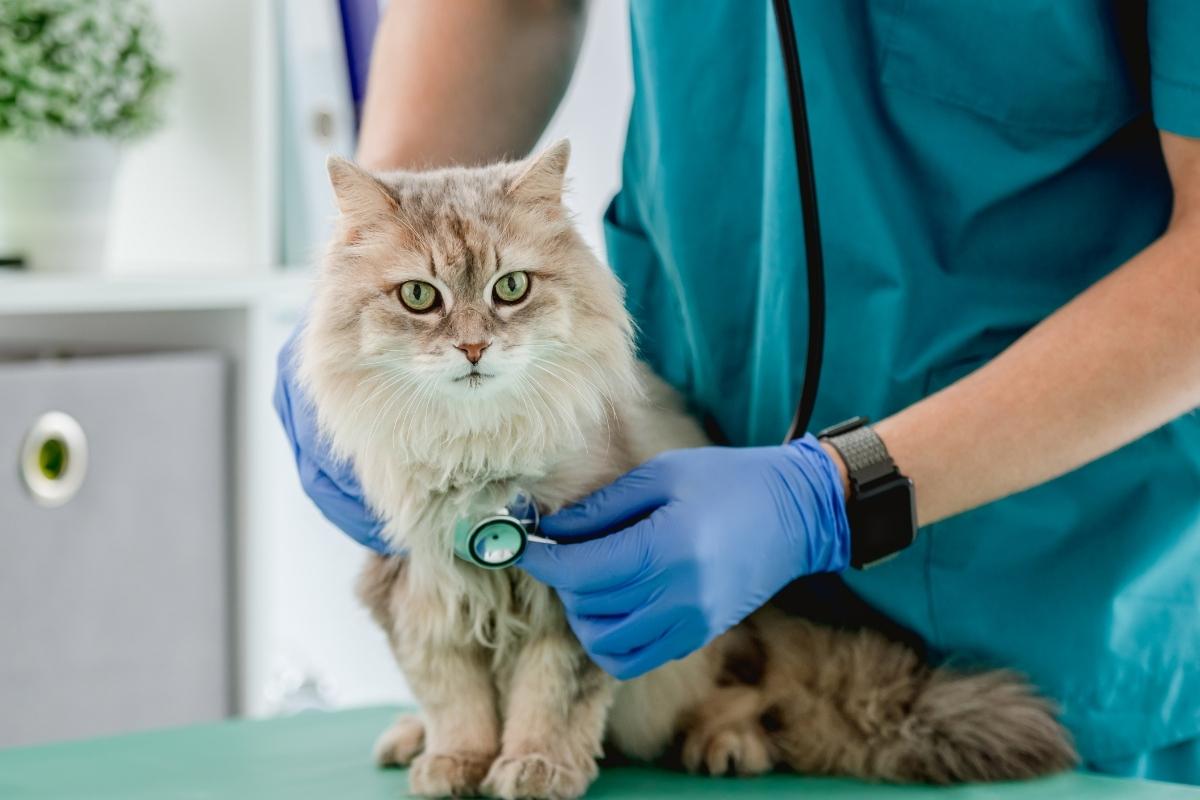
Taking your pet to the veterinarian is one of the most important responsibilities of being a pet owner. Whether you have a playful puppy, a curious kitten, or a senior pet needing extra care, routine veterinary visits help ensure they stay healthy and happy throughout every stage of life. However, many pet owners walk into appointments without knowing what to ask, which can mean missed opportunities to better understand their pet’s health.
At Willow Animal Hospital in Warrenton, veterinary appointments are more than quick checkups—they’re an opportunity to build a long-term wellness plan tailored to your pet’s needs. Asking the right questions during your visit can help you make informed decisions about nutrition, preventive care, behavior, and overall quality of life.
Below are some of the most important questions every pet owner should ask during a veterinary appointment.
Is My Pet at a Healthy Weight?
One of the first things you should discuss during a vet visit is your pet’s weight and body condition. Obesity in pets is becoming increasingly common and can contribute to serious health problems such as diabetes, arthritis, heart disease, and reduced mobility.
Ask your veterinarian:
- Is my pet currently at a healthy weight?
- Should I adjust portion sizes or feeding habits?
- Are there signs of unhealthy weight gain or loss?
- What type of exercise is best for my pet’s age and breed?
Even small changes in weight can indicate underlying health issues. Your veterinarian can assess your pet’s body condition score and recommend a nutrition and exercise plan to help maintain a healthy lifestyle.
What Preventive Care Does My Pet Need Right Now?
Preventive care is essential for keeping pets healthy and identifying problems early before they become more serious. Every pet has different preventive care needs depending on age, breed, lifestyle, and medical history.
Questions to ask include:
- Are my pet’s vaccinations up to date?
- Does my pet need flea, tick, or heartworm prevention?
- Should my pet have routine bloodwork performed?
- What dental care is recommended?
- Are there breed-specific health risks I should monitor?
Preventive care appointments allow veterinarians to catch issues early, which can often lead to easier and more affordable treatment.
Is My Pet’s Diet Appropriate?
Nutrition plays a major role in your pet’s overall health. Unfortunately, many pet owners become overwhelmed by the large number of pet food brands and diet trends available today.
During your appointment, ask your veterinarian:
- Is my pet eating the right type of food?
- How much should I be feeding daily?
- Are treats affecting my pet’s weight?
- Does my pet need supplements?
- Should I consider a prescription diet?
Pets have different nutritional requirements at different life stages. Puppies and kittens need growth-focused nutrition, while senior pets may require diets designed to support joint health or kidney function.
Your veterinarian can also help you avoid misinformation about grain-free diets, homemade meals, or internet pet food trends that may not be appropriate for your pet.
Are My Pet’s Behaviors Normal?
Behavior changes are often one of the earliest signs that something may be wrong. Even subtle differences in sleeping habits, appetite, activity level, or social behavior can indicate discomfort or illness.
Important behavioral questions include:
- Is my pet’s anxiety or nervousness normal?
- Why is my pet suddenly more aggressive or withdrawn?
- How can I address excessive barking or scratching?
- Are there signs of stress I should watch for?
- What training recommendations do you have?
Behavior concerns are common, and veterinarians can often identify medical causes behind behavioral changes or recommend appropriate training and behavioral support.
What Signs of Illness Should I Watch For?
Many illnesses in pets progress quietly, making it difficult for owners to notice early symptoms. Asking your veterinarian what warning signs to monitor at home can help you seek treatment before conditions worsen.
Ask your veterinarian about symptoms such as:
- Changes in appetite or water intake
- Vomiting or diarrhea
- Limping or stiffness
- Persistent coughing or sneezing
- Unusual lumps or skin changes
- Increased urination
- Bad breath or dental problems
Understanding what is considered normal for your pet can help you recognize changes more quickly.
How Often Should My Pet Visit the Veterinarian?
Some pet owners assume annual visits are enough for every animal, but visit frequency often depends on age and health status.
Young pets may require multiple appointments during their first year for vaccinations and developmental monitoring. Senior pets often benefit from more frequent wellness exams to screen for age-related diseases.
Questions to ask include:
- How often should my pet have wellness exams?
- Does my senior pet need additional testing?
- Are there screenings recommended for my pet’s breed?
- Should I schedule regular dental cleanings?
Regular veterinary care helps establish a health baseline and allows veterinarians to monitor changes over time.
Should My Pet Have Dental Care?
Dental health is frequently overlooked by pet owners, yet dental disease can cause pain, infection, and damage to internal organs if left untreated.
During your visit, ask:
- Does my pet show signs of dental disease?
- How often should teeth cleanings be performed?
- What dental products do you recommend?
- How can I brush my pet’s teeth at home?
Bad breath, difficulty chewing, pawing at the mouth, and red gums are all potential signs of dental problems. Professional dental care combined with at-home maintenance can significantly improve your pet’s comfort and long-term health.
Are There Health Risks Specific to My Pet’s Breed?
Different breeds may be genetically predisposed to certain health conditions. Discussing breed-specific concerns with your veterinarian can help you prepare for potential future issues.
For example:
- Large dog breeds may be prone to joint problems.
- Flat-faced breeds can experience breathing difficulties.
- Certain cat breeds may develop heart conditions.
- Some breeds are more likely to experience skin allergies.
Your veterinarian can recommend lifestyle changes, screenings, and preventive measures tailored to your pet’s breed and health history.
What Can I Do at Home to Support My Pet’s Health?
Veterinary care doesn’t stop once the appointment ends. Daily habits at home greatly influence your pet’s well-being.
Ask your veterinarian about:
- Proper exercise routines
- Grooming recommendations
- Safe toys and enrichment activities
- Seasonal health precautions
- Stress reduction techniques
- Home monitoring tips
Building healthy routines at home can improve your pet’s physical and emotional health while helping prevent future medical problems.
Why Open Communication Matters
Many pet owners feel nervous about asking too many questions during veterinary appointments, but open communication is essential for quality care. Your veterinarian is your partner in your pet’s health journey and wants you to feel informed and confident.
Writing down questions before the appointment can help ensure you remember important concerns. Even seemingly minor observations can provide valuable information about your pet’s condition.
If your pet has been showing unusual symptoms, behavioral changes, or eating habits, discussing them early can lead to faster diagnosis and treatment.
Building a Lifelong Wellness Plan for Your Pet
Routine veterinary appointments are one of the best ways to give your pet a longer, healthier life. By asking thoughtful questions and staying proactive about preventive care, you can better understand your pet’s needs and make informed decisions about their health.
Whether you’re caring for a young puppy, an active adult dog, or a senior cat, personalized veterinary guidance can make a significant difference in your pet’s quality of life.
If your pet is due for a wellness exam, vaccinations, or preventive care, consider scheduling a visit with the experienced team at Willow Animal Hospital in Warrenton to help keep your furry family member healthy year-round and book an appointment today.
Frequently Asked Questions
1. What should I bring to my pet’s vet appointment?
Ans: Bring your pet’s medical records, vaccination history, current medications, dietary information, and a list of any symptoms or concerns you’ve noticed at home.
2. How often should healthy pets visit the veterinarian?
Ans: Most healthy adult pets should visit the veterinarian at least once a year. Puppies, kittens, and senior pets may require more frequent visits.
3. What questions should I ask about pet nutrition?
Ans: Ask whether your pet’s food is appropriate for their age, breed, weight, and activity level, along with recommended portion sizes and supplements.
4. Why is preventive care important for pets?
Ans: Preventive care helps detect health issues early, maintain vaccinations, prevent parasites, and support long-term wellness before serious illnesses develop.
5. When should I be concerned about changes in my pet’s behavior?
Ans: Sudden changes in appetite, energy level, aggression, anxiety, or bathroom habits may indicate illness and should be discussed with your veterinarian.
6. Do indoor pets still need regular vet visits?
Ans: Yes. Indoor pets still require wellness exams, vaccinations, dental care, and preventive screenings to maintain overall health.
Related Articles

Welcoming New Clients and Their Pets to Our Hospital!