
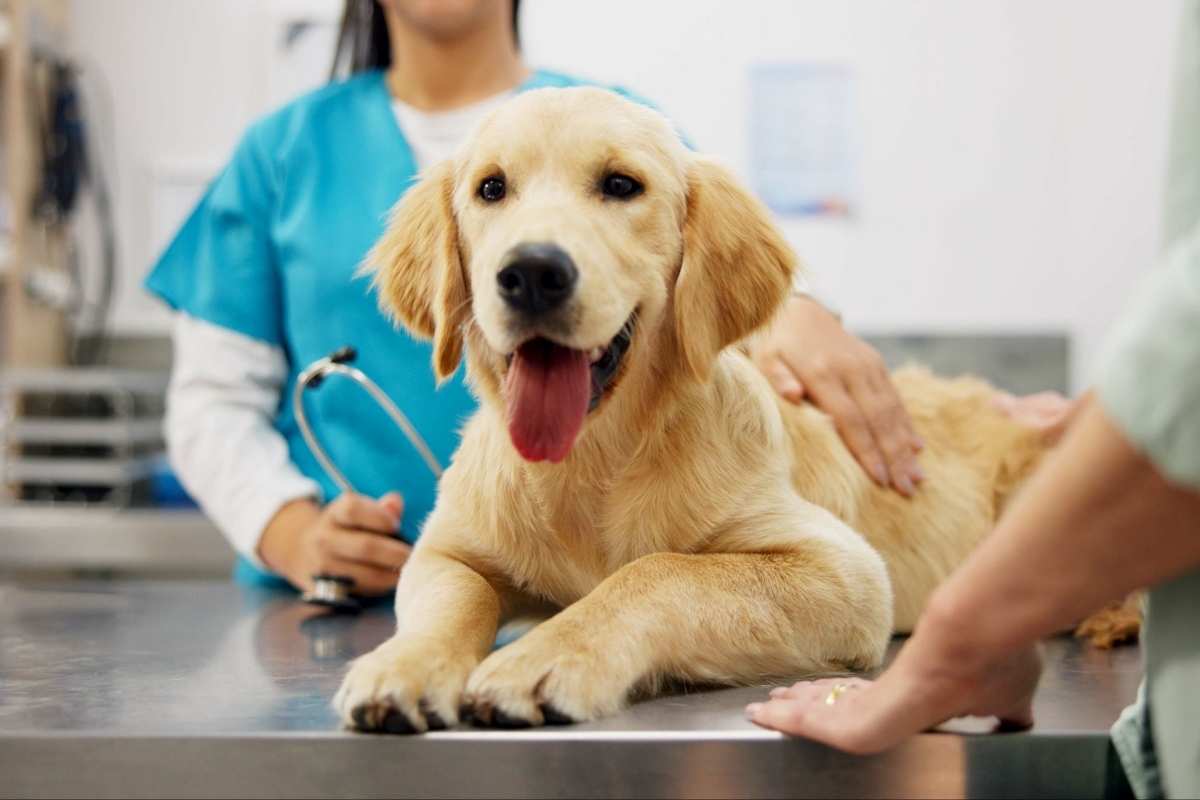
Most pet owners step into a vet clinic only when their animal is visibly sick or injured. While emergency and sick visits are absolutely necessary, they represent only one piece of a much bigger picture. The truth is, the most impactful decisions you make for your pet’s health happen before a problem ever shows up. At Willow Animal Hospital, routine wellness care is built around regular checkups, vaccinations, screenings, and early detection, helping pets live longer, more comfortable lives. Whether you have a playful puppy, a senior cat, or an exotic companion, the principles of preventive health apply across species, breeds, and ages.
What Is Preventive Care for Pets?
Preventive care refers to routine veterinary services designed to maintain your pet’s overall health and detect potential issues early. Instead of waiting for symptoms to appear, this approach focuses on early intervention and consistent monitoring.
Common components of preventive care include:
- Annual or biannual wellness exams
- Vaccinations
- Parasite prevention (fleas, ticks, heartworms)
- Dental care
- Nutritional counseling
- Routine lab testing
These services work together to provide a complete picture of your pet’s health.
Why Preventive Care Matters
1. Early Detection of Health Issues
Many health conditions, such as diabetes, kidney disease, or infections, develop gradually. Regular exams allow veterinarians to identify early warning signs before they become serious.
2. Reduced Risk of Serious Illness
Vaccinations and parasite prevention protect pets from potentially life-threatening diseases. Preventing illness is always safer and more effective than treating it later.
3. Improved Quality of Life
Healthy pets are more active, comfortable, and engaged. Preventive care helps ensure your pet maintains a high quality of life throughout the years.
4. Cost-Effective Care
Routine visits are typically more affordable than emergency treatments or advanced procedures. Investing in preventive care can help you avoid unexpected medical expenses.
Key Elements of a Preventive Care Plan
Wellness Exams
Routine checkups are the foundation of preventive care. During these visits, your veterinarian will assess your pet’s weight, heart health, skin condition, and overall physical status.
Vaccinations
Vaccines protect pets from contagious diseases such as rabies, distemper, and parvovirus. Staying up to date ensures long-term protection.
Parasite Prevention
Fleas, ticks, and heartworms can cause serious health issues. Preventive treatments keep these parasites under control year-round.
Dental Health
Oral health is often overlooked but plays a major role in overall wellness. Regular dental cleanings help prevent gum disease and infections.
Nutrition and Weight Management
Proper nutrition supports growth, energy levels, and immune function. Your veterinarian can recommend a diet tailored to your pet’s needs.
Preventive Care Through Every Life Stage
Puppies and Kittens
Young pets require vaccinations, deworming, and regular checkups to support healthy development.
Adult Pets
Routine exams and screenings help maintain health and detect early signs of disease.
Senior Pets
Older pets benefit from more frequent visits, as they are at higher risk for chronic conditions. Early detection is especially important during this stage.
The Role of Pet Preventive Care in Long-Term Wellness
A consistent pet preventive care routine helps build a strong foundation for lifelong health. By staying proactive, pet owners can reduce the risk of serious conditions and ensure their pets remain active and comfortable.
This approach not only supports physical health but also strengthens the bond between pets and their owners, as healthy pets are more energetic and engaged.
Signs Your Pet May Need Preventive Care
Even if your pet appears healthy, routine visits are essential. However, certain signs may indicate the need for immediate attention:
- Changes in appetite or weight
- Lethargy or reduced activity
- Bad breath or dental issues
- Skin irritation or hair loss
- Behavioral changes
If you notice any of these symptoms, it’s important to consult your veterinarian promptly.
Localized Care for Pet Owners
Access to reliable veterinary services ensures your pet receives consistent and high-quality care. For pet owners in Vint Hill, VA, having a trusted veterinary team nearby makes it easier to stay on top of routine checkups and preventive services.
Preventive care is one of the most effective ways to support your pet’s lifelong health. By focusing on early detection, routine checkups, and proactive treatments, you can help your pet avoid serious illnesses and enjoy a better quality of life.
If you’re in Vint Hill, VA, and need guidance from a vet near you on maintaining your pet’s health, contact Willow Animal Hospital. Our team can help you create a personalized care plan tailored to your pet’s unique needs. Reach out today to ensure your pet stays healthy and happy for years to come.
FAQs
Q1: How often should I bring my healthy adult pet in for a wellness exam?
Ans: For most healthy adult dogs and cats, an annual wellness exam is the general recommendation. However, senior pets (typically age 7 and older for dogs, and age 10 and older for cats) often benefit from twice-yearly checkups, since their health can change more rapidly and certain conditions are more common with age.
Q2: My pet seems perfectly healthy, do they still need preventive care visits?
Ans: Yes. Many health conditions, including kidney disease, dental disease, heart conditions, and certain cancers, develop gradually and may not produce visible symptoms until they are well advanced. Routine wellness visits allow your vet to detect these issues early, when treatment options are broader, and outcomes are typically better.
Q3: What vaccines does my pet actually need, and how do I know which ones?
Ans: Vaccine recommendations depend on your pet’s species, age, lifestyle, and local disease risks. Core vaccines (such as rabies and distemper) are recommended for virtually all pets. Non-core vaccines are tailored to your animal’s specific exposure risks. Your veterinarian will review your pet’s lifestyle during the wellness exam and recommend the most appropriate schedule.
Q4: Is year-round parasite prevention really necessary if my pet mostly stays indoors?
Ans: For indoor-only pets, the risk is lower but not zero. Mosquitoes that carry heartworm disease can enter the home, and fleas can hitchhike indoors on clothing, shoes, or other animals. For dogs that go outside at all, even briefly, year-round prevention is strongly advised. Your vet can help you evaluate the right approach based on your pet’s actual exposure level.
Q5: How can I tell if my pet has dental disease?
Ans: Persistent bad breath is often the first sign owners notice. Other indicators include yellow or brown tartar buildup on the teeth, red or swollen gums, difficulty chewing, dropping food, drooling, or pawing at the mouth. However, because many pets continue eating normally even with significant dental pain, a professional oral exam during a wellness visit is the most reliable way to assess dental health.
Q6: At what age should I start bringing my new puppy or kitten to the vet?
Ans: Puppies and kittens should ideally have their first veterinary visit within the first few weeks of coming home, or by 6 to 8 weeks of age if possible. Early visits establish a health baseline, begin the vaccination series, screen for congenital conditions, and allow you to ask questions about nutrition, socialization, and parasite prevention from the very start.
Related Articles

Welcoming New Clients and Their Pets to Our Hospital!